
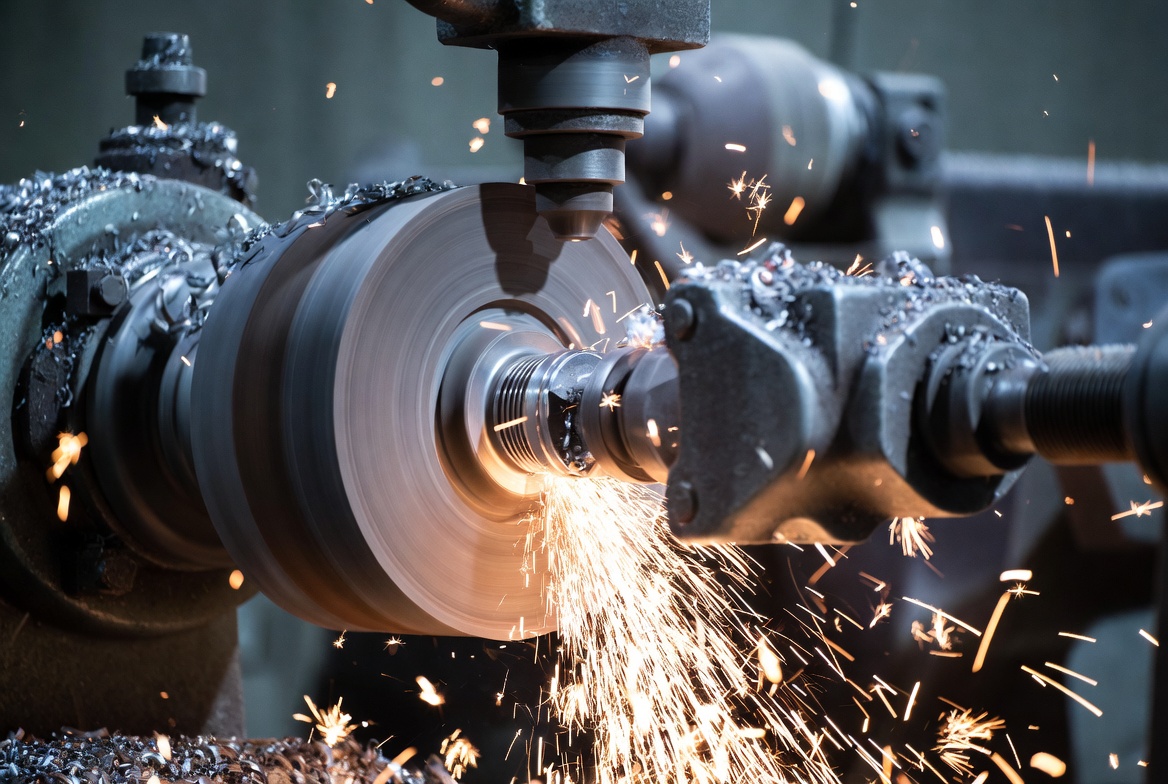
MECHANICAL PROCESSING OF PARTS
Guaranteed reliable performance
The machining of workpieces is one of the most important manufacturing processes in modern industry, ensuring the precise shaping of metal and non-metal components in accordance with exact technical specifications.
This process forms the basis of mechanical engineering and plays a key role in the quality and functionality of end products across all industrial sectors.
The nature and significance of mechanical processing
Machining involves a series of manufacturing operations in which material is removed from the workpiece using cutting tools to produce a component with the desired geometric dimensions, shape and surface quality. This process requires a high level of technical expertise, precision equipment and strict adherence to process parameters.
Modern companies operating in the field of industrial equipment and automation rely on machining to produce mission-critical components. From precision shafts and bearing housings to complex parts for automated systems – all these components require uncompromising quality and precision.
Key technological operations
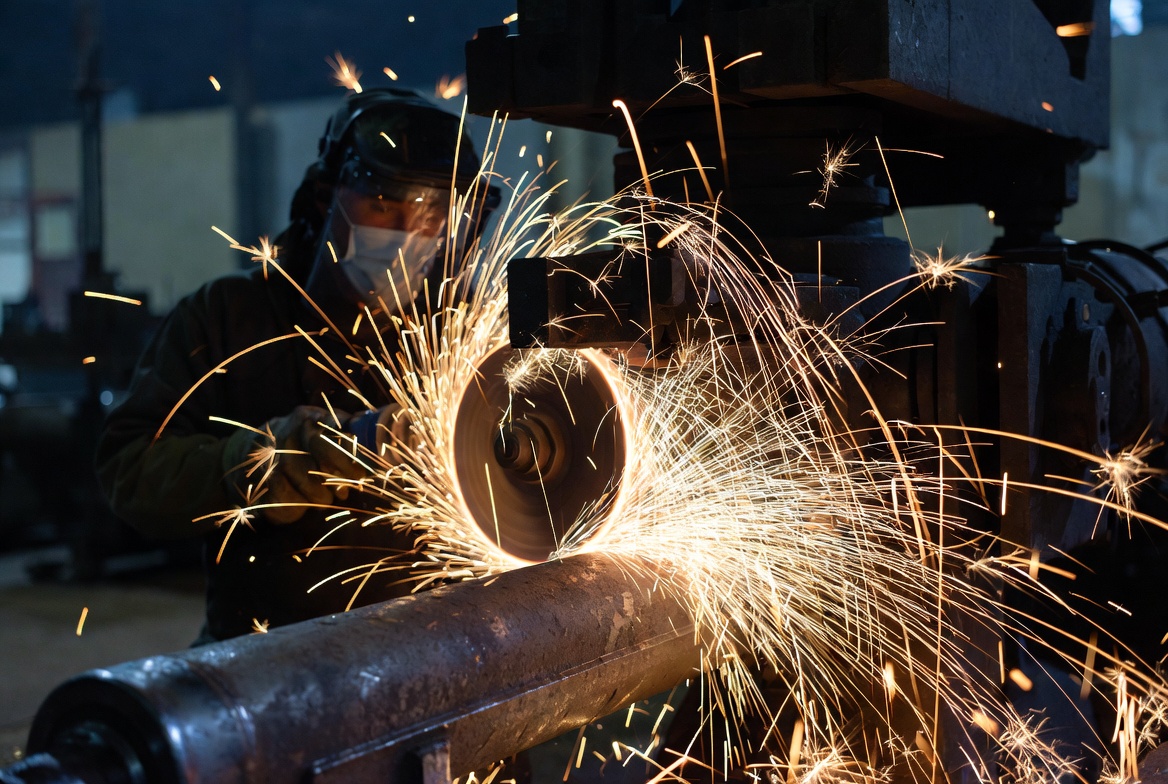
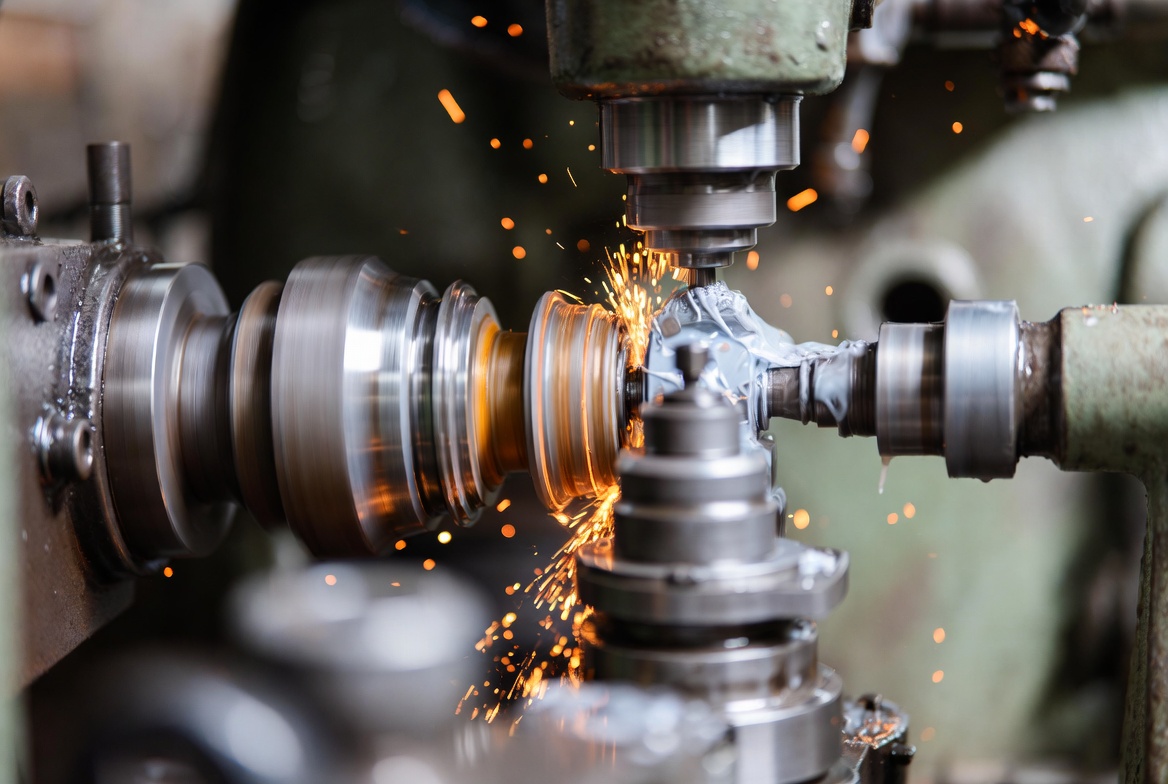
Machining encompasses a wide range of operations, each of which has a specific application. Turning It is used for machining cylindrical and conical surfaces, ensuring excellent quality in the manufacture of shafts, bushings and other rotary components. Milling enables the creation of flat surfaces, channels, pockets and complex contours with exceptional precision.
CNC technologies It has revolutionised machining, enabling the automated production of parts with complex geometries and minimal tolerances. Numerical control ensures consistent quality and significantly increases productivity.
Additional operations such as chipping, shaking and grinding ensure the final finish and meet the requirements for smoothness and geometric accuracy. Teething is a specialised process for the manufacture of gear wheels and components.
Materials and appendices
Machining is applied to a wide range of materials – from plain and alloy steels to non-ferrous metals, plastics and modern composite materials. Each material requires a specific approach when selecting cutting parameters, coolants and cutting tools.
Manufacturing companies produce components for the automotive, energy, food and drink, medical equipment and many other sectors. From precision components for dairy processing machinery to parts for automated production lines – machining is indispensable to modern manufacturing.
Quality control and standardisation
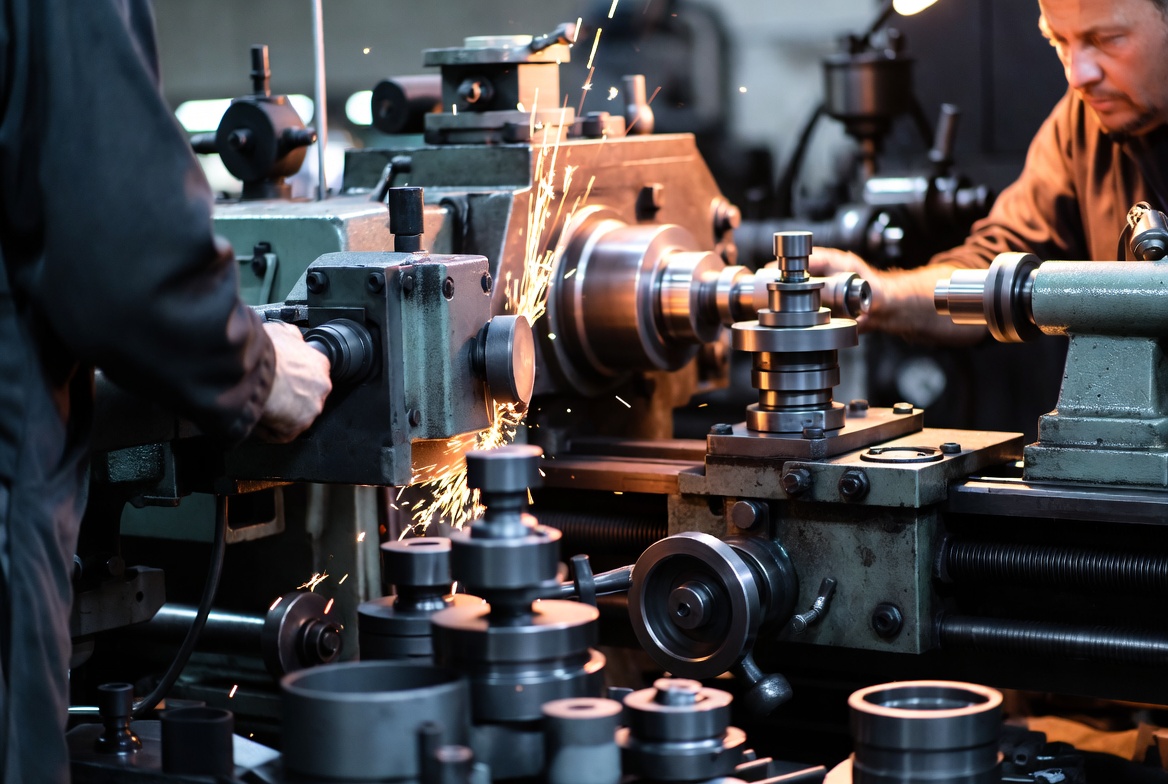
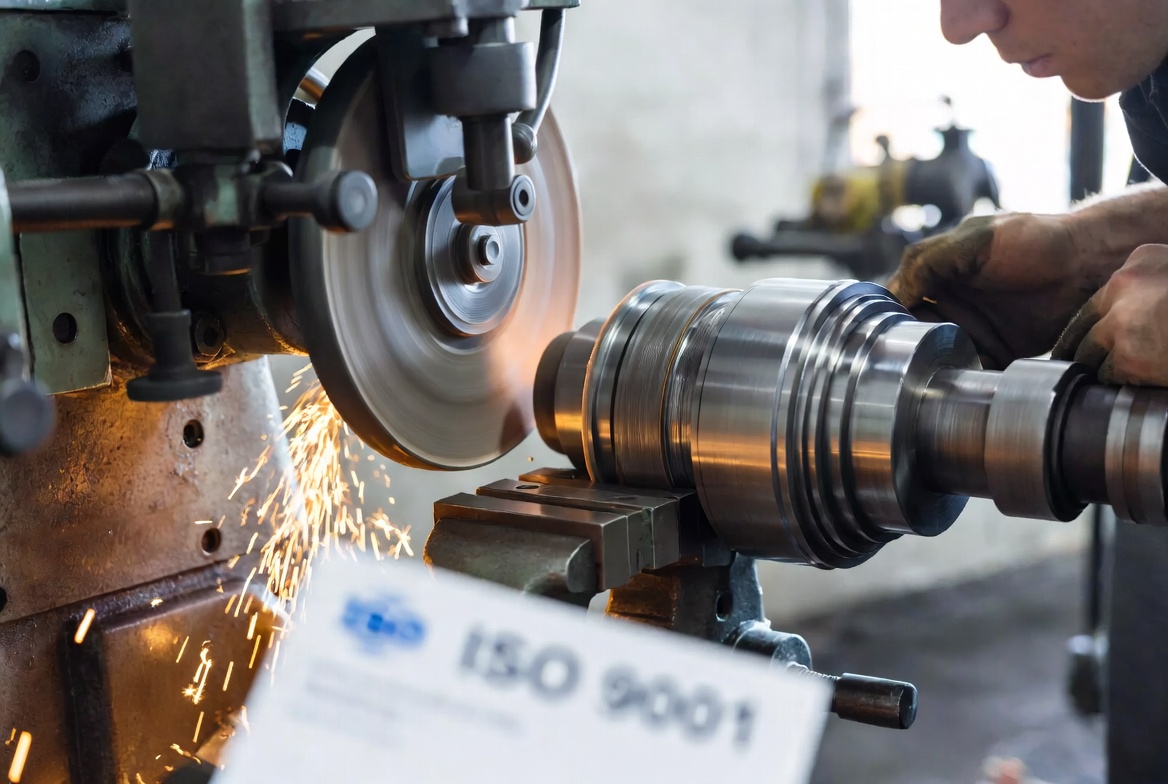
Quality in machining is ensured through strict incoming inspection of materials, precise calibration of equipment and systematic inspection of finished parts. State-of-the-art measuring systems enable real-time monitoring and timely adjustment of processes.
Compliance with international standards such as ISO 9001 ensures the stability of production processes and the reliability of the end products. Documenting all stages of production ensures traceability and provides opportunities for optimisation.
The future of machining
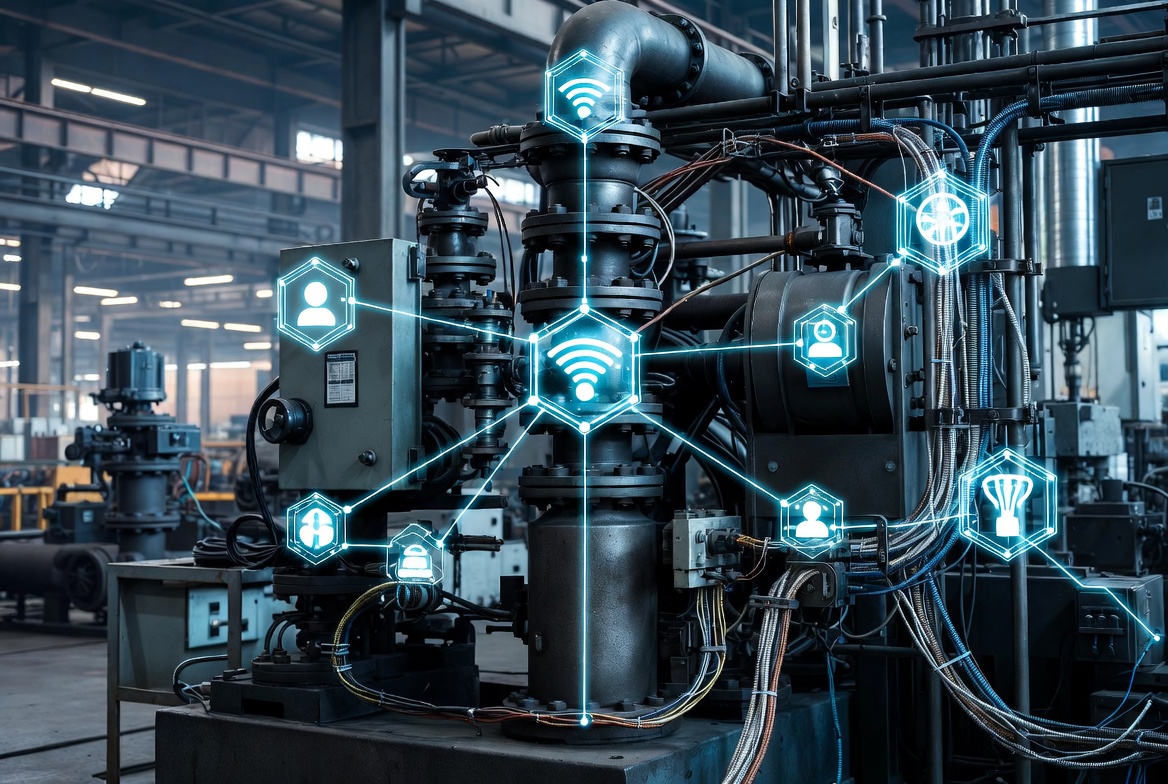
Industry 4.0 opens up new opportunities through the integration of IoT sensors, artificial intelligence and predictive maintenance. These technologies enable more efficient management of production resources and minimise material consumption.
Machining remains a fundamental process that is constantly evolving alongside technological innovations, providing the foundation for high-quality and competitive manufacturing in the modern economy.
SERVICES
PAINTING
LEARN MORE
WELDING
LEARN MORE
DESIGNING
LEARN MORE

FORMING - BENDING
LEARN MORE
CUTTING BY HEATING
LEARN MORE

MECHANICAL CUTTING
LEARN MORE

MECHANICAL CLEANING
LEARN MORE

MECHANICAL PROCESSING OF PARTS
LEARN MORE
URBAN ENVIRONMENT AND PARK EQUIPMENT
LEARN MORE
Security
Throughout the process
The re-equipment of the company with new, modern CNC-machines led to the formation of a specialized team of CAM-engineers who know and apply the latest technical solutions in the field of machining. Together with the engineers focused on special production processes, they provide a solid foundation for the rapid and efficient absorption of new projects.
