
PAINTING
Attention to detail
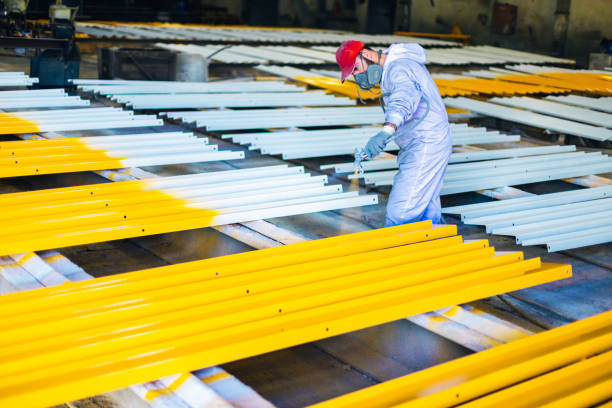
Painting is a critical technological process for applying protective and decorative coatings to metallic and non-metallic surfaces. This process not only improves the aesthetic appearance of the products, but also provides long-term protection against corrosion, wear and environmental influences.
In modern industry, painting is an integral part of production processes, especially in the manufacture of machinery, equipment and automated systems, where the quality of coatings directly affects the operational reliability and life cycle of products.
Purposes and functions of painting
The main purpose of painting is corrosion protection on metal surfaces. The coating creates a barrier between the base material and the aggressive environment, preventing oxidation processes and extending the service life of structures. This is especially important for industrial facilities operating in conditions of high humidity, temperature fluctuations or chemically aggressive environments.
The decorative function involves enhancing the visual appearance through color, shine, and texture. Corporate painting uses specific colors and logos to identify the brand and provide a professional appearance.
Functional coatings can provide special properties such as electrical insulation, heat reflection, antibacterial qualities or resistance to ultraviolet radiation.
Surface preparation
The quality of painting depends crucially on surface preparation. Mechanical cleaning includes sandblasting, brushing or grinding to remove rust, scale and old coatings. Dry cleaning uses special preparations to neutralize grease, salts and other dirt.
Phosphating is a widely applicable process for creating a transitional layer that improves paint adhesion and further protects the metal surface from corrosion. Chromating is used in aluminum alloys for similar purposes.
Proper preparation requires control of humidity, temperature and cleanliness of the working environment, as even minimal contamination can compromise the quality of the coating.
Types of paints and coatings
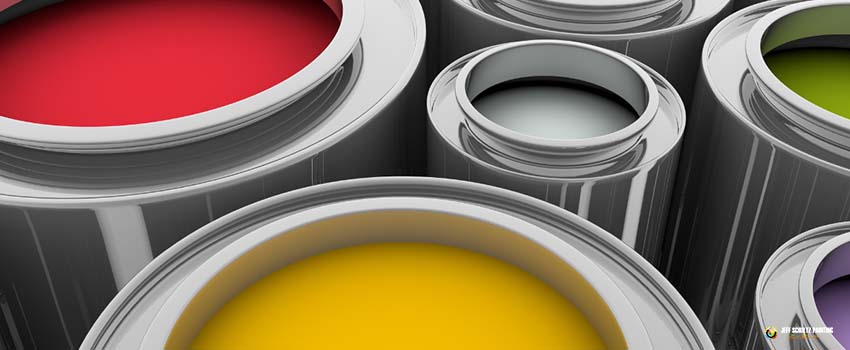
Alkyd paints are traditional coatings with good adhesion and durability, suitable for general use under moderate operating conditions. Epoxy systems provide excellent chemical resistance and are preferred for industrial applications in aggressive environments.
Polyurethane coatings are characterized by high wear resistance, elasticity and UV stability, making them suitable for outdoor applications. Zinc-rich paints provide cathodic protection of steel structures through the oxidation of zinc.
Powder coating uses electrostatic deposition of polymer particles followed by thermal curing. This method provides uniform coverage, minimal emissions and excellent material utilization efficiency.


Application technologies
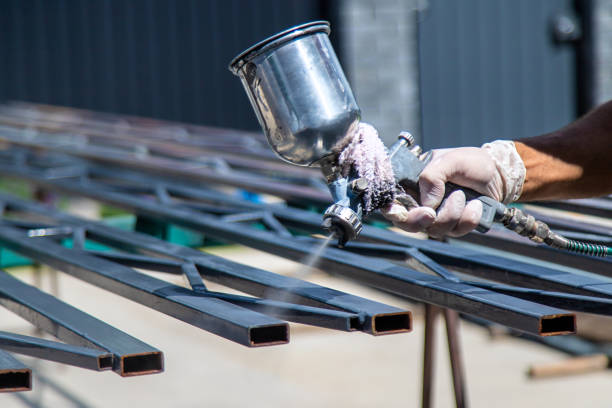
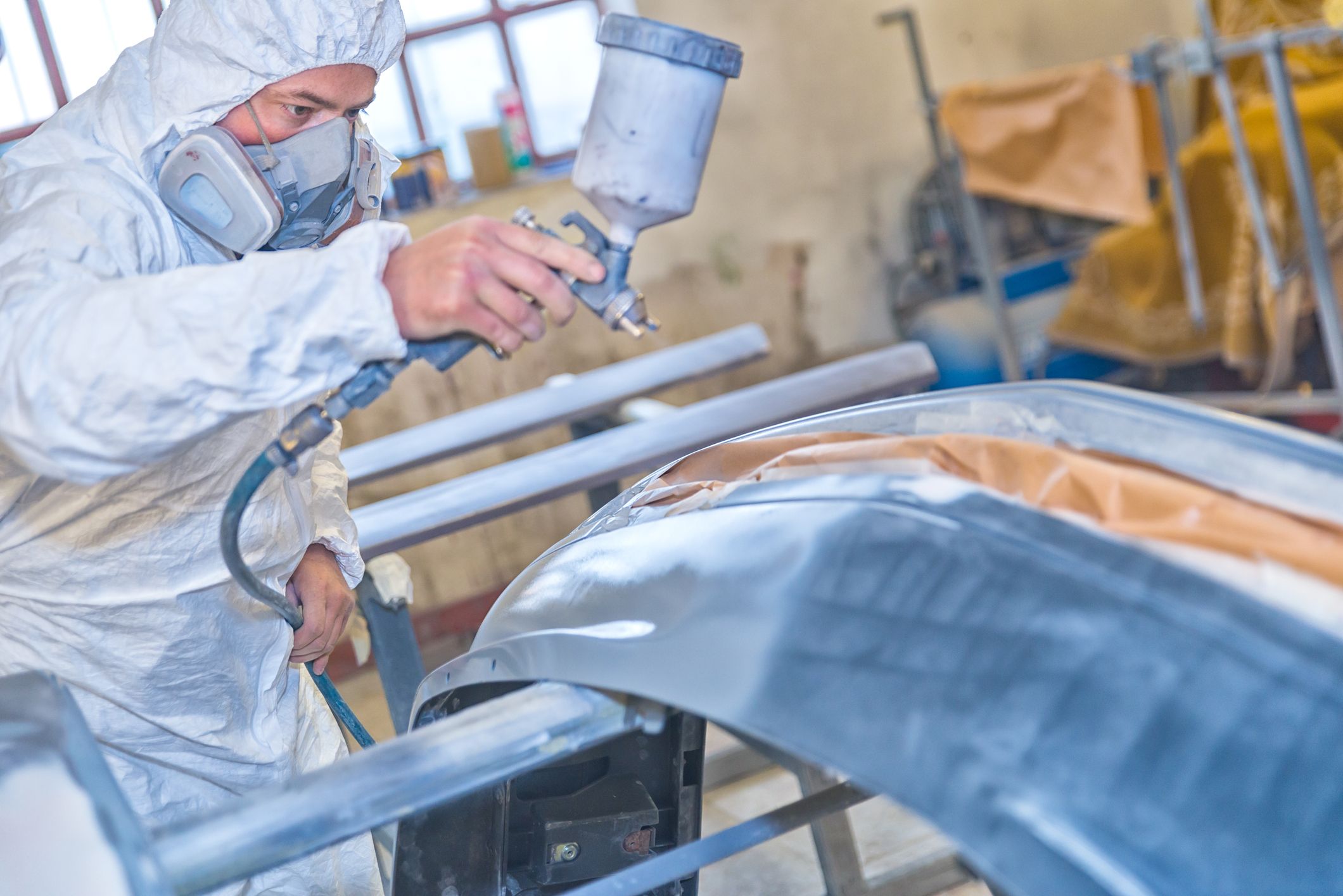
Brush application is a traditional method, suitable for small surfaces and detailed work. Roller application is effective for large flat surfaces. Spray gun provides uniform coverage and high quality finish for various geometries.
Airless spraying It works with high pressure and is particularly effective on thick coatings and high-viscosity materials. Electrostatic spraying uses an electric field to direct the particles to the surface being treated, ensuring excellent efficiency and uniformity.
Dip dyeing guarantees complete coverage of complex geometries, including internal surfaces of tubular structures.
Quality control
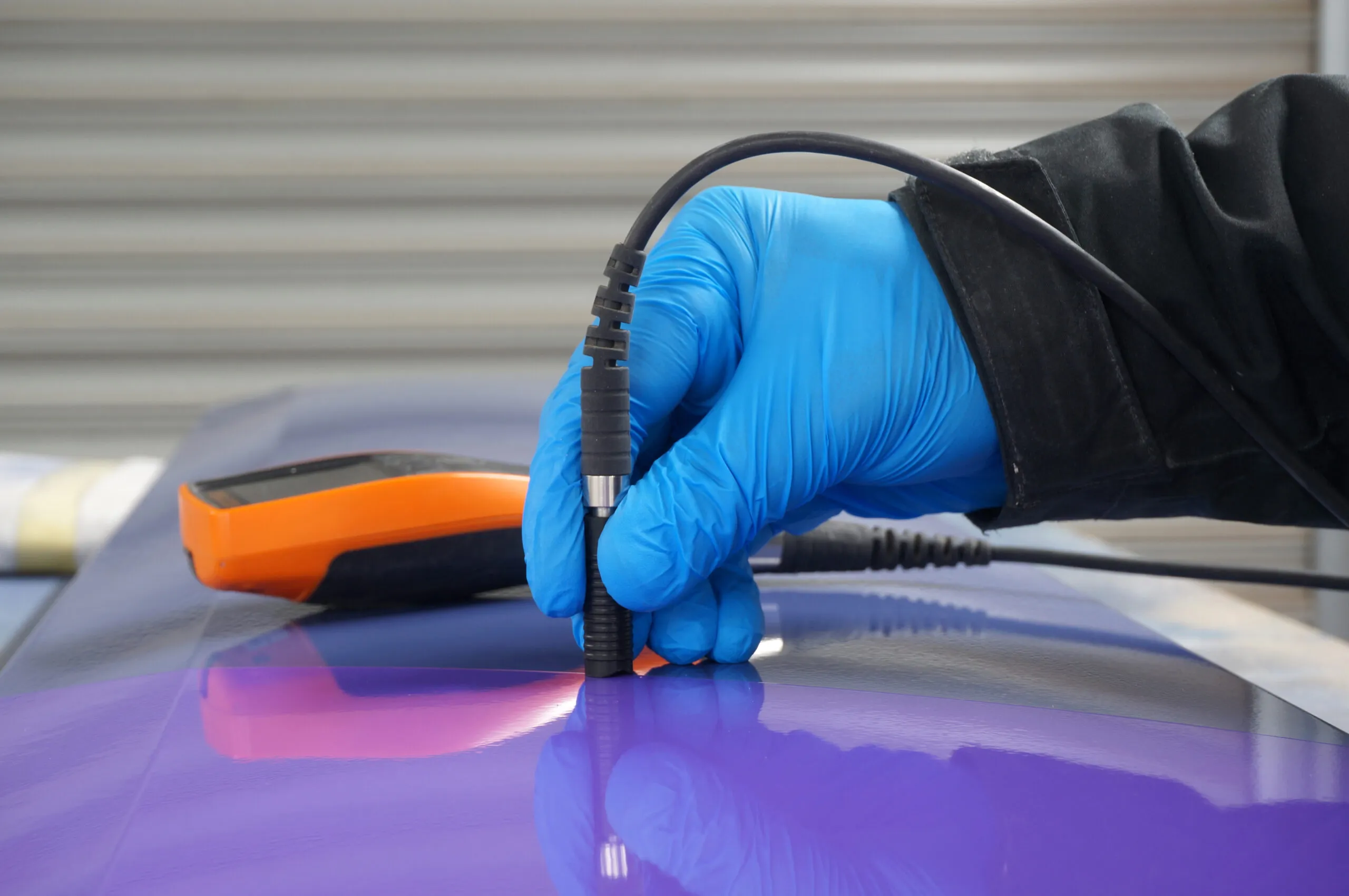
Quality control includes measuring the thickness of the coating with electronic calipers, checking the adhesion through a grid test and assessment of appearance for color uniformity and absence of defects.
Accelerated corrosion resistance tests in a salt chamber provide a forecast for long-term operation. Measuring gloss and color coordinates ensures compliance with specifications.
Environmental aspects and innovations
Modern trends are aimed at water-dispersed systems with low volatile organic compounds (VOC) content. Bio-based paints use renewable raw materials and reduce environmental impact.
Intelligent coatings with self-healing functions, color change with temperature changes or antimicrobial properties represent the future of technology.
Painting continues to evolve as a key technology, integrating new materials, automated processes and environmental solutions to meet modern manufacturing challenges.
SERVICES
PAINTING
LEARN MORE
WELDING
LEARN MORE
DESIGNING
LEARN MORE

FORMING - BENDING
LEARN MORE
CUTTING BY HEATING
LEARN MORE

MECHANICAL CUTTING
LEARN MORE

MECHANICAL CLEANING
LEARN MORE

MECHANICAL PROCESSING OF PARTS
LEARN MORE
URBAN ENVIRONMENT AND PARK EQUIPMENT
LEARN MORE
Security
Throughout the process
The re-equipment of the company with new, modern CNC-machines led to the formation of a specialized team of CAM-engineers who know and apply the latest technical solutions in the field of machining. Together with the engineers focused on special production processes, they provide a solid foundation for the rapid and efficient absorption of new projects.
